


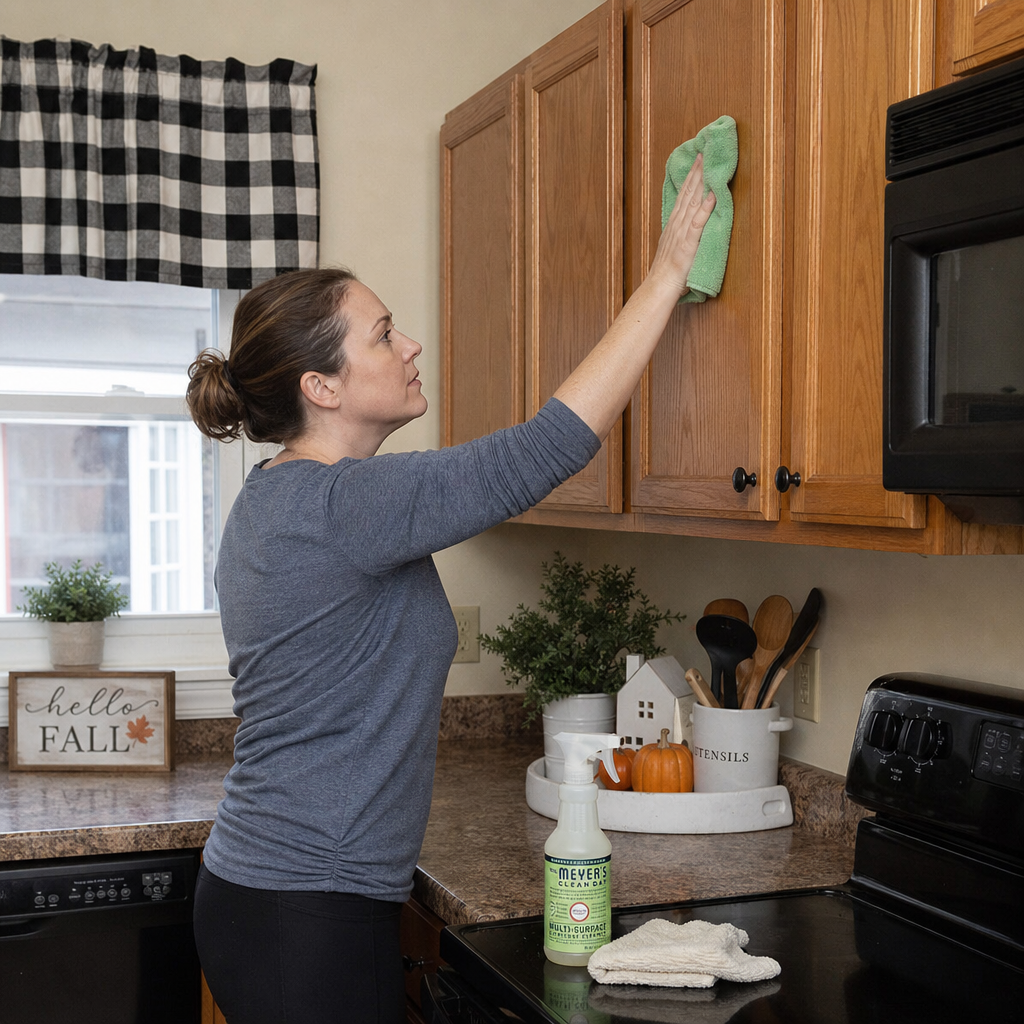
A seasonal deep clean gives UAE homeowners a practical way to reset the home before dust, humidity, guests, school routines, or travel plans take over. This deep cleaning guide focuses on the rooms and overlooked areas that routine cleaning often misses, with a clear plan you can spread across a weekend, several evenings, or a full month. Use it as a flexible deep cleaning checklist, not a perfection test: the goal is a cleaner, calmer, healthier home that is easier to maintain.
What makes seasonal deep cleaning different from routine cleaning?
Seasonal deep cleaning is a more thorough cleaning of hidden, high-touch, and neglected areas, while routine cleaning handles visible daily mess. Regular cleaning may include vacuuming, wiping counters, washing dishes, and tidying surfaces. Home deep cleaning goes further: inside appliances, behind furniture, grout lines, ceiling fans, AC vents, window tracks, wardrobes, storage areas, and other places where dust, grease, sand, moisture, and clutter build up.
In the United Arab Emirates, seasonal cleaning is especially useful because homes often deal with desert dust, air-conditioning use, balcony grime, humidity in bathrooms, and busy indoor living during hotter months. A deep clean routine also helps before Ramadan gatherings, Eid visits, moving, hosting guests, returning from travel, or preparing for a new school term.
Think of deep cleaning as maintenance for your home. It refreshes the spaces you see every day and protects the ones you rarely inspect.

The seasonal deep cleaning plan that prevents overwhelm
The easiest way to complete an intensive cleaning session is to stop treating the whole home as one giant job. Break it into zones, gather supplies first, and clean from top to bottom so dust falls onto surfaces you have not cleaned yet. In each room, work clockwise from the door; this keeps you focused and reduces the chance of skipping corners.
A practical seasonal schedule can look like this:
- Day 1: Declutter and prepare Remove obvious rubbish, expired items, duplicates, unused décor, old papers, and anything that belongs in another room. Empty bins, collect laundry, and clear surfaces before scrubbing begins.
- Day 2: Kitchen and pantry Focus on grease, appliance interiors, cabinet fronts, food storage, and hidden crumbs that may attract pests.
- Day 3: Bathrooms and laundry area Tackle limescale, grout, drains, moisture-prone corners, washing machine seals, and ventilation.
- Day 4: Bedrooms and wardrobes Rotate mattresses if suitable, clean under beds, sort clothing, wash bedding, and dust high shelves.
- Day 5: Living areas, entryway, and balcony Clean upholstery, rugs, curtains, electronics, shoe storage, balcony doors, and outdoor furniture.
- Day 6: Storage, garage, or maid’s room if applicable Check boxes, tools, cleaning supplies, luggage, seasonal decorations, and rarely used cupboards.
If you only have one day, choose the highest-impact tasks: kitchen hygiene, bathroom sanitation, dust control, floors, and clutter removal. A home does not have to be perfect to feel noticeably fresher.
Supplies that make home deep cleaning easier
Good tools save time and reduce frustration. You do not need a cabinet full of products, but you do need the right basics for different surfaces.
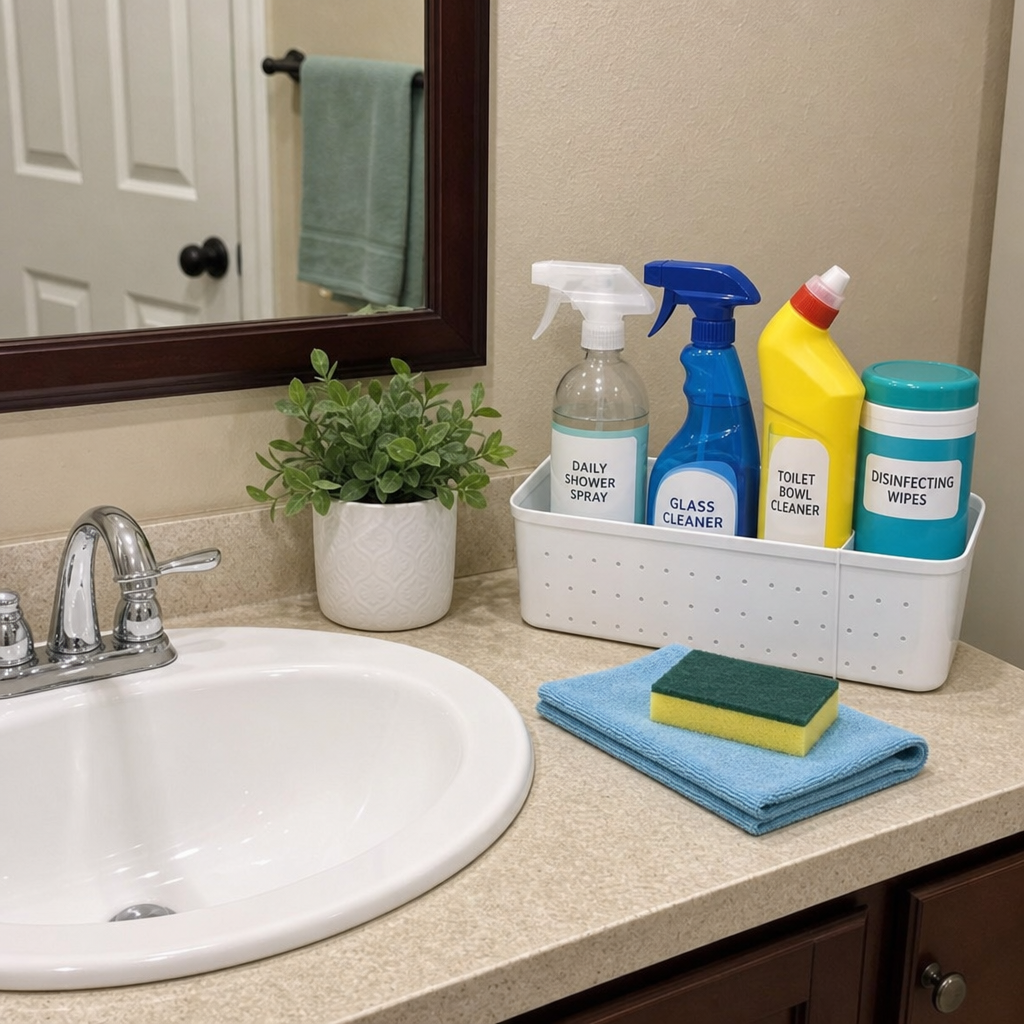
Keep a seasonal deep cleaning kit with:
- Microfiber cloths for dusting, polishing, and wiping without leaving lint
- A vacuum with brush and crevice attachments for sofas, tracks, corners, and mattresses
- Mop, bucket, and floor cleaner suitable for your tile, stone, laminate, or wood finish
- Scrub brushes in different sizes for grout, drains, corners, and taps
- Sponges and non-scratch pads for sinks, tiles, and appliance surfaces
- Glass cleaner or a vinegar-based solution for mirrors and windows, where suitable
- Baking soda for deodorising and gentle scrubbing
- Disinfectant for high-touch points such as switches, handles, remotes, and bin lids
- Rubber gloves, masks if dust-sensitive, and good ventilation when using cleaning products
- Bin bags, donation bags, and labels for sorting clutter quickly
Always read product labels and avoid mixing chemicals, especially bleach with ammonia or acidic cleaners. Test any cleaner on a small hidden area before using it on stone, marble, wood, stainless steel, or delicate finishes common in many UAE homes.
Kitchen checklist for grease, crumbs, and hidden build-up
The kitchen usually needs the most time because food, heat, and moisture combine quickly. Start by emptying counters, then clean high shelves, extractor areas, cabinet tops, and light fittings before moving down to appliances and floors.
Use this kitchen deep cleaning checklist:
- Empty the fridge, discard expired food, wipe shelves, clean seals, and reorganise by category.
- Clean the freezer exterior and visible spills, and defrost only if your appliance manual recommends it.
- Wipe cabinet doors, handles, splashbacks, and the underside of upper cabinets where grease collects.
- Clean inside the microwave, oven, air fryer, toaster crumb tray, and dishwasher filter if accessible.
- Descale the kettle and coffee machine according to manufacturer guidance.
- Pull out small appliances and clean behind them.
- Wash bins, recycling containers, and the area around them.
- Clear the pantry, check dates, wipe shelves, and group dry goods in sealed containers.
- Scrub the sink, taps, drain cover, and drying rack.
- Vacuum or sweep edges before mopping, especially near skirting boards.
A useful deep clean tip for UAE kitchens is to pay attention to storage. Heat can shorten the freshness of some foods, and unsealed packets may invite insects. Airtight containers, regular date checks, and clean shelves make the kitchen easier to manage between deep cleans.
Bathroom and laundry areas need moisture control
Bathrooms can look clean while still hiding build-up in grout, drains, exhaust fans, and seals. In humid conditions, moisture control is just as important as shine. Open windows if available, run ventilation, and dry surfaces after scrubbing so mould and odours are less likely to return.
Focus on these tasks:
- Remove toiletries, discard expired products, and wipe shelves before putting items back.
- Scrub grout lines, tile corners, shower screens, taps, and showerheads.
- Clean toilet bases, hinges, flush buttons, and nearby walls.
- Wash bath mats, shower curtains, and washable bathroom textiles.
- Clear hair from drains and rinse drain covers.
- Wipe extractor fan covers and reachable vents.
- Clean mirrors, cabinet fronts, handles, and light switches.
- Descale taps and glass carefully using products suitable for the surface.
- In the laundry area, wipe the washing machine door seal, detergent drawer, exterior, and surrounding floor.
For stronger results, let bathroom cleaners sit for the recommended time before scrubbing. Spraying and wiping immediately often wastes product and effort.
Bedrooms, wardrobes, and living spaces collect more dust than you think
Bedrooms and living rooms may not seem dirty, but fabrics, mattresses, curtains, cushions, rugs, and electronics hold dust. With AC running often, fine particles can circulate and settle on surfaces again quickly. Seasonal deep cleaning benefits these rooms by improving comfort and making everyday tidying faster.
In bedrooms:
- Wash sheets, pillow covers, mattress protectors, throws, and washable cushion covers.
- Vacuum the mattress, bed base, headboard, and under-bed area.
- Dust ceiling fans, light fittings, curtain rods, frames, and bedside tables.
- Sort wardrobes by keeping what fits, repairing what is useful, donating good items, and discarding damaged pieces.
- Wipe wardrobe shelves and let them dry before replacing clothing.
- Clean mirrors, switches, door handles, and skirting boards.
In living areas:
- Vacuum sofas, including under cushions and along seams.
- Dust TV units, remotes, consoles, lamps, shelves, frames, and decorative pieces.
- Clean window tracks, sliding doors, balcony doors, and reachable glass.
- Shake out or wash small rugs if care labels allow.
- Move light furniture to clean behind and underneath.
- Wipe entryway storage, shoe racks, and frequently touched surfaces.
For balconies and terraces, remove loose dust before adding water. In dusty conditions, dry sweeping first prevents muddy streaks and makes mopping more effective.
How often should homeowners schedule a deep clean?
Most homeowners benefit from seasonal deep cleaning every three to four months, with lighter maintenance in between. The exact frequency depends on your household size, pets, children, cooking habits, allergies, proximity to construction or busy roads, and how often windows or balconies are open.
For many UAE homes, a realistic rhythm is:
- Weekly: Vacuum, mop, clean bathrooms, change bedding, wipe kitchen surfaces, and reset clutter.
- Monthly: Clean appliance fronts, dust vents and fans, wash bins, check pantry items, and wipe skirting boards.
- Seasonally: Complete a full room-by-room deep clean, including hidden areas, storage spaces, upholstery, grout, and appliance interiors.
- As needed: Book professional deep cleaning services after renovation dust, moving, long travel, illness in the home, or before major hosting.
Professional deep cleaning can be helpful when the job is too large, time is limited, or you need tasks such as heavy oven cleaning, detailed grout scrubbing, post-renovation dust removal, or large villa cleaning. Costs vary by property size, condition, service scope, and provider, so ask what is included before comparing quotes.
Small habits that maintain the results longer
A seasonal deep clean feels best when it lasts. The secret is not doing another intensive cleaning session every week; it is adding small habits that prevent grime and clutter from rebuilding too quickly.
Try these maintenance habits:
- Put items back in their correct room at the end of each day.
- Wipe kitchen counters and the hob after cooking.
- Squeegee shower glass or tiles after use when possible.
- Keep a small brush near sinks for quick tap and drain cleaning.
- Deal with spills immediately, especially on rugs, upholstery, and grout.
- Use doormats and remove shoes if that suits your household routine.
- Empty bins before odours develop, especially in warm weather.
- Keep wardrobes breathable rather than overfilled.
- Set a 15-minute weekly timer for one neglected zone, such as a drawer, shelf, or window track.
Safety checks also fit naturally into seasonal cleaning. Test smoke alarms, review fire extinguisher dates if you have them, check for loose cables, and make sure cleaning products are stored away from children and pets.
A quick note on similar search terms
Some online searches mix home topics with unrelated phrases such as dental deep cleaning, deep cleaning dentist, dental deep cleaning cost, deep cleaning dental cost, deep cleaning teeth cost, and disadvantages of deep cleaning teeth. Those terms refer to oral care and should be discussed with a qualified dental professional, not treated as home cleaning advice. Similarly, car deep cleaning is a separate process for vehicles and is different from home deep cleaning.
This article focuses only on home cleaning: rooms, surfaces, storage, dust, grease, moisture, and practical routines for homeowners.
Final takeaway
Seasonal deep cleaning is less stressful when you make it structured, realistic, and suited to how your home is actually used. Start with decluttering, clean from top to bottom, focus on kitchens and bathrooms first, then move through bedrooms, living areas, balconies, and storage spaces. Whether you handle it yourself or bring in professional deep cleaning support for the toughest jobs, a consistent seasonal routine helps your UAE home feel fresher, healthier, and easier to enjoy every day.