


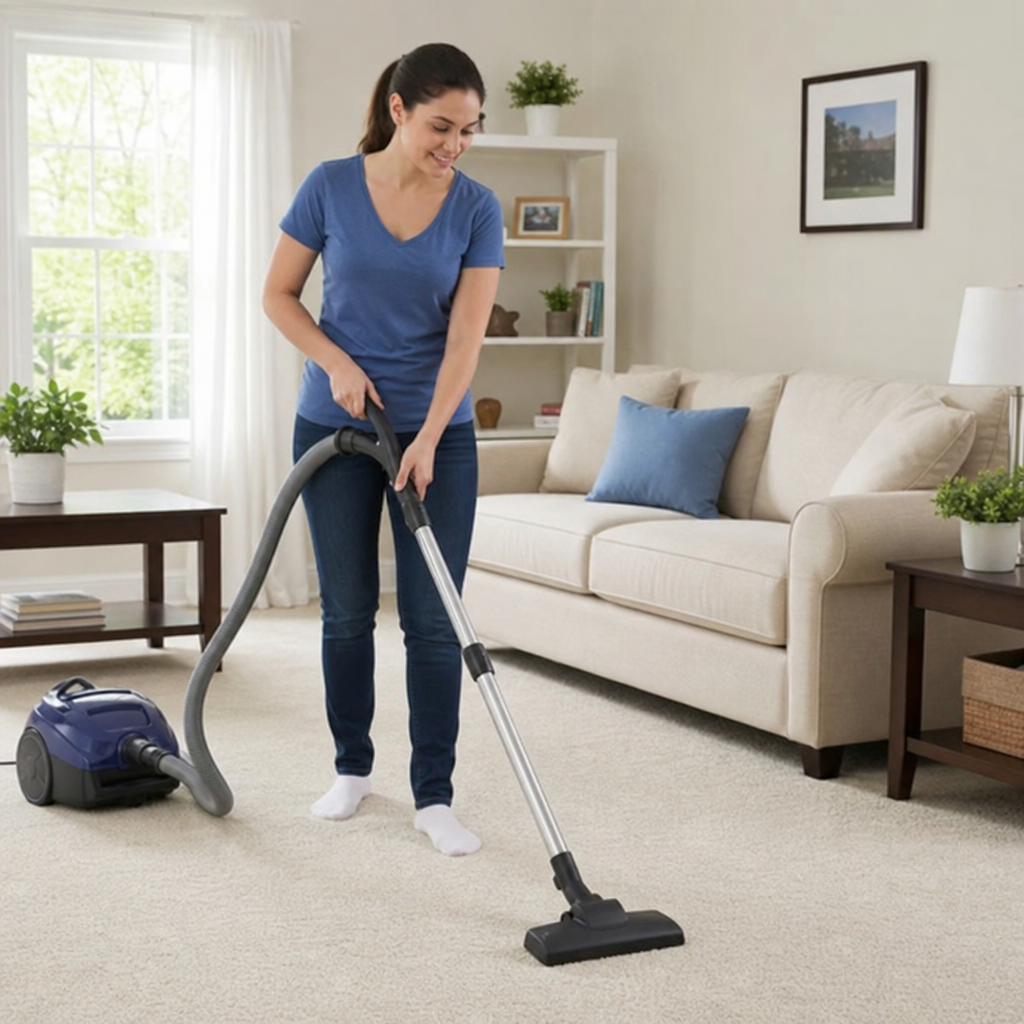
Carpet cleaning is easier when you treat it as a simple routine instead of a once-a-year rescue mission. With the right habits, quick stain response, and occasional deep cleaning, you can keep carpets fresher, healthier, and better looking in homes, apartments, offices, schools, and other shared spaces. These practical tips will help you decide what to do yourself, when to call professional cleaners, and how to choose safer products for daily use.
What routine keeps carpets cleaner for longer?
The best carpet cleaning routine combines regular vacuuming, fast spill response, planned deep cleaning, and good indoor habits that reduce tracked-in dirt. In most homes, weekly vacuuming is a sensible baseline, while busy households, pet areas, entryways, offices, and school corridors may need attention several times a week. The goal is not just to make the carpet look tidy; it is to remove grit before it works deeper into the fibers and causes wear.
Use the right vacuum setting for your carpet type. A turbo brush or beater bar can help lift debris from fitted carpets, while a gentler brush may be better for deep-pile or delicate rugs. Move slowly, overlap your passes, and give extra time to high-traffic lanes near doors, sofas, desks, and hallways.
For better results, build a simple rhythm:
- Vacuum high-traffic areas first. These zones collect the most grit and need the most consistent care.
- Work from clean areas toward exits. This avoids stepping over freshly cleaned carpet.
- Empty or replace filters regularly. A clogged vacuum spreads dust and loses suction.
- Spot-check stains after vacuuming. Some marks are easier to see once loose soil is gone.
- Schedule deeper work seasonally. Even careful vacuuming cannot remove every embedded particle.

Daily habits that protect carpet fibers
Small habits make a big difference. Place doormats at entrances, ask people to wipe their shoes, and consider a shoe-free policy in carpeted bedrooms or living spaces. These steps reduce sand, moisture, pollen, and outdoor debris before they reach the carpet.
Furniture placement matters too. Heavy furniture can crush fibers over time, especially in rooms where layouts never change. Rotate area rugs, shift furniture slightly when possible, and use furniture pads to reduce pressure marks.
In residential cleaning and house cleaning routines, carpets should not be treated as a separate afterthought. Dust shelves, blinds, and baseboards before vacuuming so debris falls before the final floor pass. Many maid services and cleaning services follow this top-to-bottom order because it saves time and prevents rework.
How should you handle stains before they set?
The right stain response is fast, gentle, and specific to the spill. Blot first, never rub, because rubbing can spread the stain and push it deeper into the fibers. Start with clean water and a white cloth, then move to a suitable carpet-safe cleaner only if the mark remains.
For most fresh spills, follow this process:
- Remove solids carefully. Use a spoon or dull edge to lift food, mud, or debris without grinding it in.
- Blot from the outside inward. This keeps the stain from expanding.
- Use small amounts of liquid. Oversaturating the carpet can soak the backing and slow drying.
- Test products first. Try any cleaner on a hidden area to check for color change.
- Rinse lightly after cleaning. Leftover detergent can attract more dirt later.
- Dry thoroughly. Use airflow, towels, or a fan so moisture does not linger.
Common household options such as baking soda, vinegar solutions, salt, or mild dish soap can help with some spills, but they are not universal fixes. Vinegar may be useful for some odors, baking soda can absorb moisture and smells, and salt may help draw liquid from fresh spills. Still, delicate fibers, wool carpets, and unknown stains deserve extra caution.
Pet accidents need special care. Use an enzyme-based product designed for pet stains and odors, and avoid using steam on urine stains before the odor is fully treated. Heat can make odor problems harder to remove if the residue is still present.
Deep cleaning restores freshness below the surface
Deep cleaning reaches soil, allergens, and residue that regular vacuuming cannot fully remove. It is especially useful in homes with children, pets, allergy concerns, frequent guests, or carpeted rooms that get daily use. In commercial cleaning settings, deep cleaning can also support a cleaner, more professional appearance in reception areas, meeting rooms, classrooms, and hallways.
Hot water extraction, sometimes called steam cleaning, is one of the most common methods. It applies water and cleaning solution, agitates the fibers, and extracts loosened soil. Warm water is usually effective without being overly harsh, and the extraction step is critical because leftover detergent can make carpets soil faster.
If you rent or own a carpet cleaning machine, take your time. Moving too quickly reduces suction and leaves too much moisture behind. Make slow passes, use the recommended amount of solution, and include a rinse pass if the machine or product instructions allow it. Then help the carpet dry with ventilation, fans, and limited foot traffic.
Professional deep cleaning every 12 to 18 months is often a useful benchmark, though busy spaces may need it more often. Apartments, schools, healthcare-adjacent spaces, and offices may require a schedule based on foot traffic, hygiene needs, and building policies rather than a fixed calendar.

Safer product choices support healthier indoor spaces
Eco-friendly cleaning is not just about using “green” labels. It means choosing products and methods that clean effectively while reducing unnecessary fumes, residues, and environmental impact. This is especially important in bedrooms, nurseries, classrooms, waiting rooms, and shared apartment buildings where many people use the same indoor air.
Look for carpet products that are made for your fiber type and that clearly explain dilution, dwell time, rinsing, and drying. More product does not mean a cleaner carpet. In fact, using too much solution can leave a sticky residue that attracts soil and shortens the fresh-cleaned look.
Allergy-sensitive households may benefit from strong filtration during vacuuming. Vacuums with high-quality filters or water filtration can help trap fine particles instead of releasing dust back into the room. Pair that with regular washing of entry mats, curtains, and soft furnishings for a more complete indoor-care routine.
Carpet care changes by setting
Carpet cleaning looks different depending on the building. A quiet single-family home does not face the same challenges as a school hallway, medical office, apartment lobby, or construction turnover project. Good cleaning companies adjust methods, schedules, products, and drying plans to the space.
Homes and apartments
In everyday residential cleaning, carpets often need a mix of vacuuming, spot treatment, and occasional deep cleaning. Families with pets or children may need faster stain response and odor control, while smaller apartments may need better ventilation after cleaning because airflow can be limited.
Apartment building cleaning services often focus on shared carpeted areas such as corridors, stairs, leasing offices, and lounges. These spaces collect soil from many residents and visitors, so consistent vacuuming and periodic extraction can make the property feel better maintained.
Offices and commercial spaces
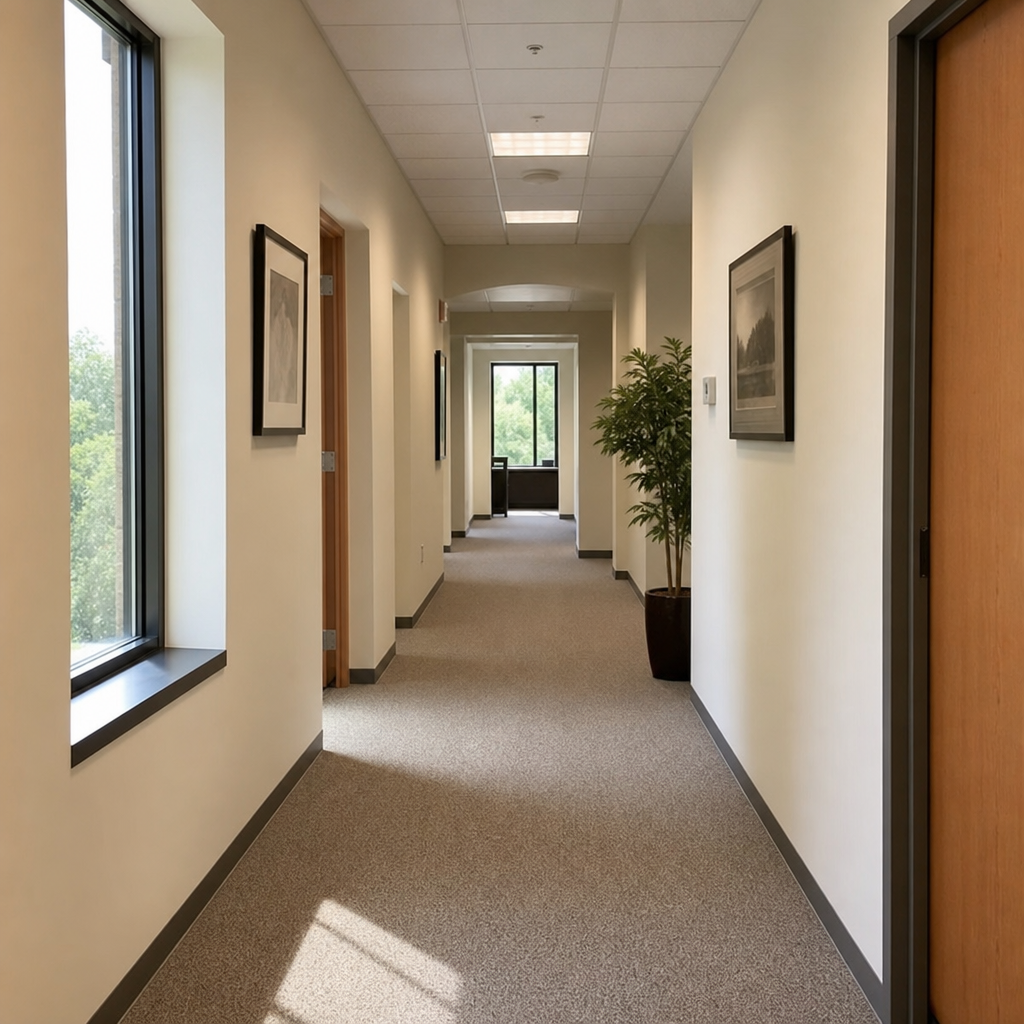
Office cleaning teams usually work around desks, rolling chairs, coffee spills, and high foot traffic. Carpet tiles may need spot replacement or targeted extraction in worn zones. In commercial cleaning, the best plan often combines daily debris removal with periodic restorative cleaning so carpets do not reach the point where they look permanently dull.
Schools and healthcare-adjacent spaces
Cleaning services for schools and school cleaning services must consider heavy traffic, spills, craft materials, outdoor dirt, and tight schedules. Fast drying matters because classrooms and corridors need to be ready for use quickly and safely.
Medical cleaning services require a more controlled approach. Carpeted areas in healthcare-related environments may need products and procedures aligned with hygiene expectations, facility policies, and appropriate disinfection practices. Carpet is not always the primary surface for disinfection, but soil removal, odor control, and careful moisture management still matter.
Construction and specialty maintenance
Post construction cleaning services should treat carpet with caution. Fine dust can settle deep into fibers, so thorough vacuuming with proper filtration may be needed before any wet cleaning. If water is applied too soon, dust can turn into residue that is harder to extract.
Some services sit outside carpet care but still affect the cleanliness of a property. Gutter cleaning services help reduce water overflow that can lead to moisture problems near entries, while chimney cleaning services can reduce soot and ash transfer inside the home. A whole-property cleaning plan considers these connections instead of treating every task in isolation.
When is professional carpet cleaning worth it?
Professional carpet cleaning is worth considering when stains keep returning, odors linger, carpets dry too slowly after DIY cleaning, or the space has heavy traffic that basic tools cannot handle. Professional cleaners bring stronger extraction equipment, product knowledge, and experience with different carpet fibers and soil conditions. They can also help create a practical schedule for homes, apartment buildings, offices, schools, and commercial facilities.
DIY cleaning is useful for routine care and small stains, but it has limits. Rental machines can work well when used carefully, yet they may leave too much water behind if rushed or overloaded with detergent. Professionals are especially helpful when the stakes are higher, such as move-in cleaning, end-of-lease preparation, odor removal, post-renovation dust, or large carpeted areas.
Before hiring, ask clear questions:
- What carpet cleaning method do you recommend for this fiber and soil level?
- Do you pre-treat stains and high-traffic lanes?
- How long should drying take under normal conditions?
- Are your products suitable for pets, children, allergy-sensitive occupants, or school environments?
- Do you provide broader cleaning services, such as office cleaning, maid services, or apartment common-area care?
- What should be moved before the appointment, and what should stay in place?
A trustworthy provider should explain the process in plain language. Be cautious of vague promises, unusually rushed drying claims, or one-size-fits-all answers for every carpet type.
A simple carpet care checklist
Use this checklist to keep your carpet plan realistic and easy to follow:
- Vacuum weekly, or more often in busy areas.
- Use mats at entrances and clean them regularly.
- Blot spills immediately with a clean white cloth.
- Test stain removers in a hidden spot before use.
- Avoid overwetting carpet during spot treatment or machine cleaning.
- Rinse detergent residue when appropriate.
- Increase cleaning frequency for pets, allergies, children, and high-traffic spaces.
- Schedule deep cleaning before carpets look heavily soiled.
- Allow full drying before replacing furniture or reopening busy areas.
- Keep records for rental properties, offices, schools, or managed buildings.
The takeaway for cleaner, longer-lasting carpets
Carpet cleaning works best when it is consistent, calm, and matched to the space. Vacuum regularly, treat stains quickly, deep clean before dirt becomes embedded, and choose products that support healthier indoor air. Whether you manage house cleaning, office cleaning, school cleaning services, or larger commercial cleaning needs, the right routine helps carpets look better, smell fresher, and last longer.
For bigger jobs, persistent stains, or busy shared buildings, professional cleaners can save time and reduce guesswork. The smartest approach is not extreme cleaning; it is steady care, safe methods, and knowing when expert help will deliver a better result.