


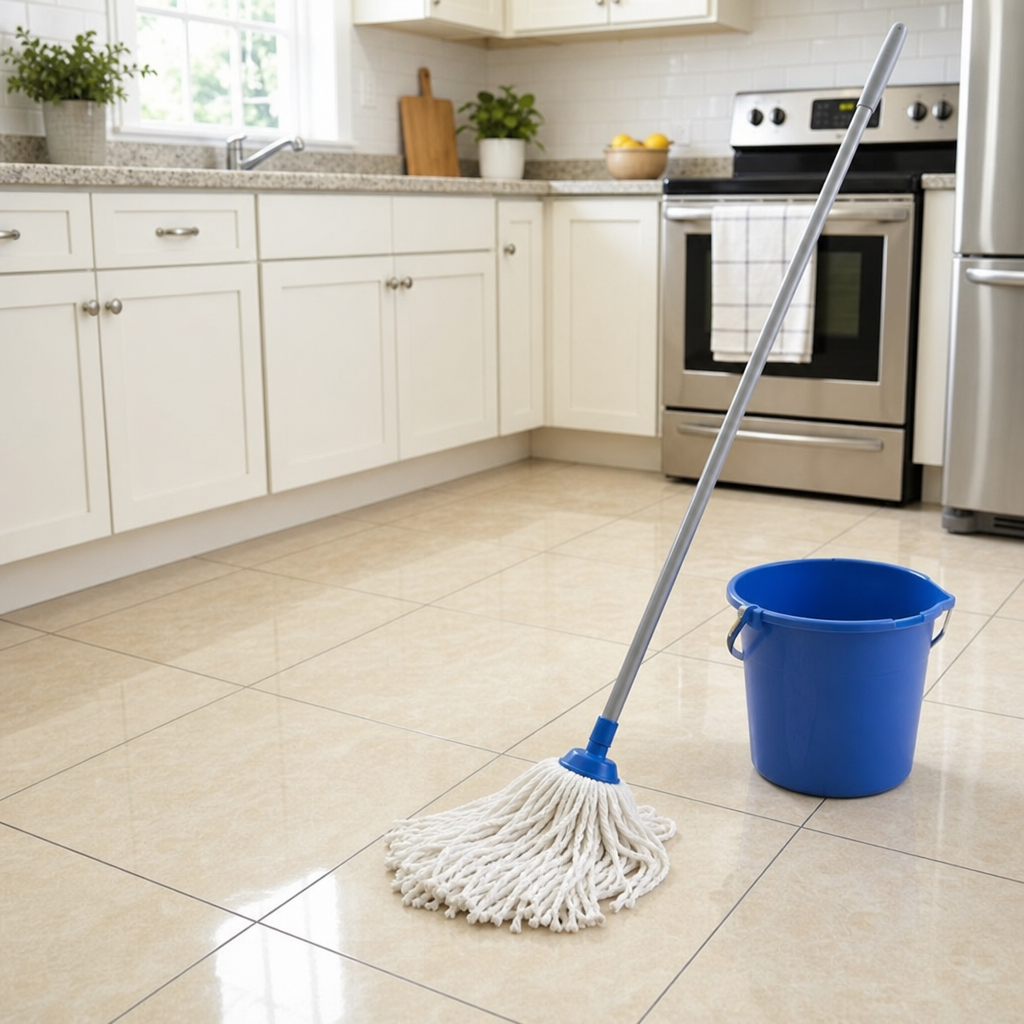
The best floor cleaner is the one that matches your surface, soil level, safety priorities, and cleaning routine. A tile floor cleaner that cuts through kitchen grime may not be right for hardwood, and a garage floor cleaner built for oil stains may be too aggressive for everyday home use. With a little guidance, you can choose floor cleaning solutions that leave floors clean without residue, damage, or unnecessary chemical exposure.
What makes a floor cleaner the right choice?
A floor cleaner is the right choice when it cleans the mess in front of you while protecting the floor underneath it. That means checking surface compatibility, understanding how strong the formula is, and deciding whether you need a daily maintenance product, a heavy-duty treatment, or a multi-surface cleaner for several rooms.
For tile, look for a product that removes dirt from both the surface and grout lines without leaving a dull film. Glazed ceramic and porcelain tile usually tolerate many standard cleaners, while unglazed, stone, or porous tile may need gentler, pH-conscious care. If a cleaner promises shine but leaves sticky residue, it can actually attract more dirt over time.
Hard floors also vary more than they seem. A hardwood floor cleaner should be designed for sealed wood and used with minimal water. A non toxic marmoleum floor cleaner should be gentle enough for linoleum-style surfaces while still lifting everyday soil. Carpet is a separate category entirely, so a carpet floor cleaner should be chosen for fiber type, stain type, and extraction method rather than treated like a hard-surface product.
Match the cleaner to the surface
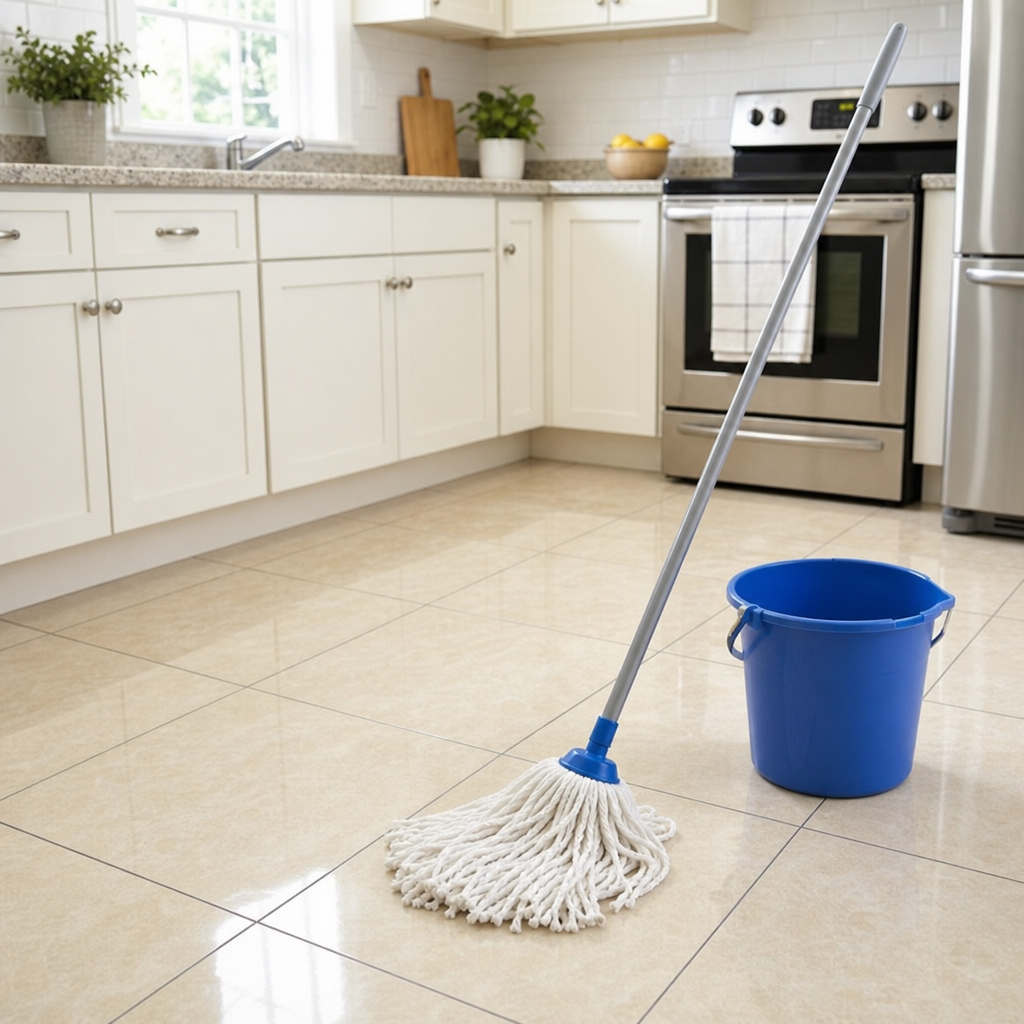
Choosing the best floor cleaner starts with the floor material. A cleaner that works beautifully in a mudroom can be wrong for a living room, showroom, or commercial entryway. When in doubt, read the label, test a small hidden area, and avoid mixing products.
Common surface needs include:
- Tile floors: Use a tile floor cleaner that tackles dirt, grease, and grout haze without leaving residue. For textured tile, a brush or machine-assisted scrub may help remove soil from low spots.
- Hardwood floors: Use a hardwood floor cleaner made for sealed wood. Products such as Bona hardwood floor cleaner cedarwood scented 36 oz are examples of ready-to-use wood-focused cleaners shoppers may consider, but the key is matching the product to your floor’s finish.
- Marmoleum and linoleum-style floors: Choose a non toxic marmoleum floor cleaner or a mild natural floor cleaner that will not strip or discolor the surface.
- Vinyl and laminate: Use low-moisture, residue-free formulas. Too much water can seep into seams and cause swelling or edge damage.
- Garage floors: A garage floor cleaner often needs stronger degreasing power for tire marks, oil, salt, and tracked-in grit.
- Carpeted areas: A carpet floor cleaner should be selected based on stains, odors, fibers, and whether you are spot cleaning or using an extraction machine.
If you manage several surface types, a multi-surface cleaner can simplify the closet. Just remember that “multi-surface” does not always mean safe for every finish, especially natural stone, unsealed wood, or specialty flooring.
Cleaning strength should match the mess
Not every floor needs aggressive cleaning. In many homes, regular sweeping and a mild floor cleaner handle most dirt before it becomes buildup. Heavy-duty formulas are useful, but they should be reserved for the jobs that actually need them.
For everyday cleaning, choose a gentle liquid or spray cleaner that dries quickly and does not require rinsing. These are ideal for kitchens, bathrooms, hallways, classrooms, offices, and other spaces where light soil returns often. For deeper cleaning, look for degreasers, alkaline cleaners, or machine-compatible concentrates designed for embedded grime.
Commercial and industrial environments may need stronger options. Someone searching for heavy duty floor cleaner Wisconsin, heavy duty floor cleaner Janesville, industrial floor cleaner Greenfield WI, or industrial floor cleaner solution Janesville is likely dealing with higher traffic, heavier soil, or larger square footage than a typical household. In those cases, consider dilution rates, equipment compatibility, ventilation needs, slip resistance, and whether staff can use the product safely and consistently.
How can you balance cleaning power with safety?
You balance cleaning power with safety by choosing the mildest effective product for the job, checking ingredients and warnings, and using the cleaner exactly as directed. An eco-friendly cleaner, natural floor cleaner, or low-odor formula can be a smart option for homes with children, pets, allergies, or frequent barefoot traffic, but it still needs to be compatible with the floor.
“Non-toxic” and “natural” are helpful buying signals, but they should not replace careful evaluation. A plant-based cleaner may be excellent for routine maintenance, while a stronger synthetic detergent may be better for greasy buildup, commercial kitchens, or industrial soil. The practical goal is not to use the harshest product or the greenest-sounding label; it is to use the safest product that gets the floor truly clean.
Helpful safety checks include:
- Look for clear surface instructions on the label.
- Avoid products with unnecessary fragrance if scent sensitivity is a concern.
- Use proper dilution, especially with concentrates.
- Keep floors from becoming slippery after cleaning.
- Store cleaners away from children, pets, food, and incompatible chemicals.
- Ventilate when using stronger products in enclosed spaces.
Eco-conscious choices can also reduce waste. Powder-to-liquid concentrates, refill systems, washable microfiber pads, and measured dosing can help you avoid overusing product while still getting consistent results.
Compare common floor cleaner types
Different floor cleaning solutions work in different ways. Understanding the format helps you choose a cleaner that fits your time, storage space, budget, and floor care expectations.
Ready-to-use liquids
Ready-to-use liquids are convenient because they require no measuring. They work well for daily spills, small rooms, and quick maintenance. Many homeowners prefer them because they reduce guesswork and are easy to keep near high-traffic areas.
The downside is that they can cost more per use than concentrates and may create more packaging waste. They are also not always strong enough for old grime, greasy floors, or commercial traffic.
Concentrates and detergents
Concentrates are practical for larger spaces because you can adjust dilution for light, medium, or heavy soil. They are common in commercial settings, workshops, and facilities where floors are cleaned frequently. If you choose a concentrate, accurate measuring matters because too much product can leave residue and too little may not clean effectively.
Some detergent powders are designed to be mixed with water before use. Powder formats can be compact, shelf-stable, and appealing for people who want less plastic packaging. Check whether the formula is plant-based, mineral-based, fragrance-free, or designed for specific surfaces.
Machine-assisted cleaners
Machine-assisted floor cleaning can save time on large or heavily used areas. Some modern hard-floor devices use self-cleaning rollers, washable microfiber rollers, and multiple cleaning modes to lift dirt while reducing manual scrubbing. These can be useful for tile, vinyl, laminate, and other sealed hard floors when used with the manufacturer’s recommended solution.
Machines are not automatically better for every home. They require storage, maintenance, and proper cleaning after use. Still, for busy households or commercial floors, they can make routine care easier and more consistent.

DIY floor cleaner can be useful in the right situations
A diy floor cleaner can be a cost-effective option for light maintenance, especially when you want a simple formula and already know your floor can tolerate it. The safest DIY approach is mild, diluted, and tested in a hidden spot before broad use.
For many sealed tile floors, warm water with a small amount of mild dish soap can handle everyday soil. Use a damp mop rather than soaking the floor, and rinse if the surface feels slippery or looks cloudy. For stubborn grout, a soft brush and a gentle paste may help, but avoid abrasive scrubbing on delicate tile finishes.
Be careful with popular household ingredients. Vinegar is often recommended online, but acidic cleaners can damage natural stone and may dull some finishes. Baking soda can be useful as a gentle abrasive in specific spots, yet it may leave a film if not fully removed. Bleach should never be mixed with other cleaners, and it is not a routine solution for every floor.
A simple DIY checklist:
- Identify the floor material and finish.
- Sweep or vacuum grit before wet cleaning.
- Mix a mild solution instead of guessing strength.
- Test a small hidden area.
- Use a damp mop, not a saturated one.
- Rinse if residue remains.
- Dry the floor if slipping or streaking is a concern.
Smart floor cleaning tips for better results
Good technique matters as much as the product. Even the best floor cleaner can underperform if loose grit is left behind, too much solution is applied, or a dirty mop spreads soil around the room.
Start by removing dry debris with a broom, vacuum, or dust mop. Then clean from the farthest corner toward the exit so you do not walk over wet areas. Change mop water when it looks dirty, and wash microfiber pads regularly so they continue lifting soil instead of redepositing it.
Use these floor cleaning tips to improve results:
- Clean spills quickly: Liquids, oils, and tracked-in salt are easier to remove before they dry or spread.
- Use less product than you think: Overuse often causes streaks, stickiness, or haze.
- Give dwell time when needed: Heavy soil may need a few minutes of contact before scrubbing.
- Choose the right tool: Microfiber works well for routine cleaning, while brushes help with grout and textured surfaces.
- Protect entrances: Mats reduce the amount of grit that reaches the floor.
- Separate zones: Use different pads or mop heads for bathrooms, kitchens, garages, and living spaces.
For garage or industrial floors, pre-treat oil spots and heavy deposits before general mopping. In homes, focus on frequent light cleaning rather than waiting until floors need aggressive scrubbing.
The best cleaner is the one you will use correctly
The best floor cleaner is not always the strongest, most expensive, or most specialized option. It is the product that fits your floor, your mess, your safety standards, and your routine. For some spaces, that means a gentle eco-friendly cleaner; for others, it means a targeted garage floor cleaner, a commercial concentrate, or a machine-assisted system.
Before buying, narrow the choice with four questions: What is the floor made of? What kind of soil needs to be removed? Who uses the space after cleaning? How often will the product be used? When your cleaner answers those questions well, you get cleaner floors, fewer maintenance problems, and a routine that is easier to keep up with.