


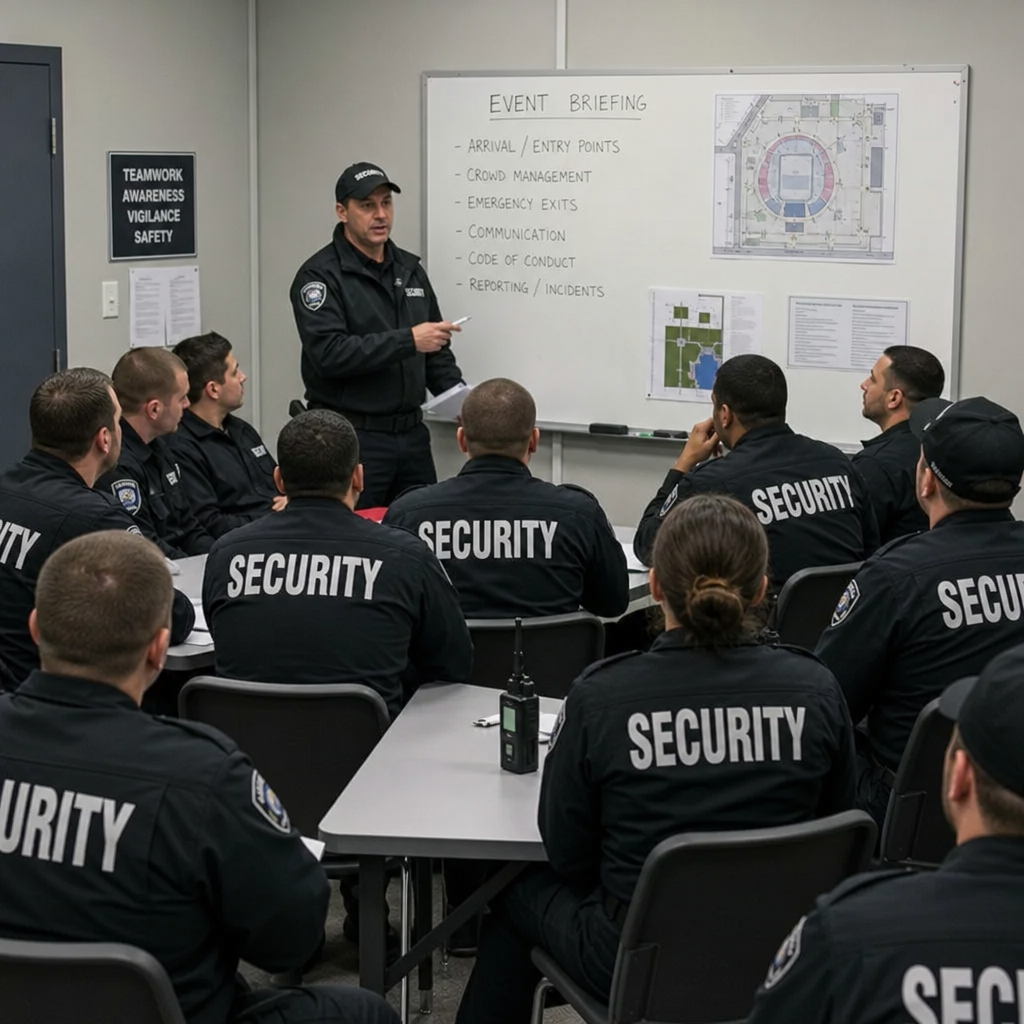
Importance of Event Security
Hosting a memorable event requires more than just a great lineup, stunning decor, and delicious catering. Behind the scenes, the true foundation of any successful gathering is robust event security. Whether you are organizing an intimate corporate retreat or a massive outdoor concert, keeping attendees, staff, and performers safe must be your top priority.
When people feel safe, they can truly relax and enjoy the experience. Let’s dive into the essential components of modern event protection, from preliminary planning to on-the-ground execution, to ensure your next gathering goes off without a hitch.

The Foundation: Planning and Risk Assessment
Exceptional security begins months before the venue doors open. The very first step is utilizing a comprehensive risk assessment checklist for venue safety. This involves inspecting the physical location for vulnerabilities, identifying potential hazards, and understanding the demographics of your attendees.
If an incident occurs, you might wonder, what are the legal liabilities for organizers? The reality is that event hosts can be held financially and legally responsible for negligence if proper safety protocols aren’t in place. By thoroughly documenting your risk assessment and mitigating identified hazards, you protect both your guests and your organization.
Preparing Your Team
Equipping your team with the right skills is just as important as securing the physical space. Implementing situational awareness training for staff ensures that everyone—from ticket takers to bartenders—can spot suspicious behavior or potential hazards before they escalate.
Securing the Perimeter and Access Points
A secure event relies heavily on strict boundaries. Utilizing effective perimeter surveillance techniques, such as proper fencing, adequate lighting, and strategically placed cameras, deters unauthorized entry and keeps the event contained.

Once your perimeter is established, managing who gets inside is the next hurdle. High-tech access control systems for music festivals and trade shows—like RFID wristbands, biometric scanners, or QR-coded digital tickets—streamline entry while keeping intruders out. These digital solutions are highly effective at mitigating gatecrashing and ticket fraud, which are common issues at high-demand gatherings.
Managing Personnel and Crowds
Having the right personnel on the ground is the core of your operation. When hiring event guard security, it’s vital to match the personnel to the specific needs of your gathering. Organizers must understand the difference between armed and unarmed guards. Unarmed guards are typically best for customer service, bag checks, and general crowd management, presenting an approachable, friendly face. Armed guards, on the other hand, are usually reserved for high-threat environments or specific asset protection, and their presence requires careful consideration to avoid causing unnecessary alarm.
For high-profile attendees, managing VIP protection requirements involves assigning specialized close-protection officers who can navigate crowds discreetly while ensuring the safety of speakers, performers, or executives.
Handling the Masses
When dealing with thousands of attendees, implementing effective crowd control strategies for large gatherings is non-negotiable.
- Zoning: Break large areas into smaller, manageable zones using barricades.
- Signage: Use clear, illuminated signs to direct foot traffic and reduce bottlenecks.
- Pacing: Manage entry rates to prevent overcrowding at the gates.
Leveraging Technology and Surveillance
Modern event security relies heavily on technological integration. Organizers must decide on the right balance of visible vs covert surveillance measures. Visible cameras and uniformed guards act as powerful deterrents to bad behavior. Conversely, covert measures, such as plainclothes officers and discreetly placed sensors, allow security teams to monitor and apprehend individuals who might try to circumvent obvious security checkpoints.

To maintain a bird’s-eye view of a sprawling venue, organizers frequently rely on mobile command center operations. These temporary hubs allow security directors to monitor live video feeds, track weather patterns, and dispatch personnel instantly.
Furthermore, utilizing real-time incident reporting software for promoters allows staff on the ground to log issues—from a spilled drink causing a slip hazard to an aggressive attendee—directly from their smartphones. This ensures the command center can allocate resources efficiently and maintain an accurate digital paper trail.
Emergency Response and Coordination
Even with flawless planning, emergencies can happen. Preparing for the worst ensures you can handle unexpected situations calmly and effectively.
First, knowing how to coordinate with local law enforcement, fire departments, and medical responders is critical. Establish a clear chain of command and direct lines of communication with local authorities long before the event begins.
Additionally, medical emergencies are a statistical probability at large events. Proper first aid and medical response integration means setting up easily accessible medical tents, deploying roving EMTs, and ensuring that security personnel can instantly guide medical teams to an individual in distress.
Finally, you must establish emergency evacuation plan best practices. This includes:
- Mapping out multiple, clearly marked exit routes.
- Ensuring paths are wide enough to handle mass exoduses without crushing.
- Training staff on how to guide attendees to safety without inducing panic.
- Establishing safe assembly points away from the venue.
Regional Excellence: Event Security in the UAE
For organizers operating in the Middle East, the standards for safety are incredibly high. The UAE, and Dubai in particular, hosts thousands of world-class events annually, from global expos to luxury sporting events.
When planning a function in this region, prioritizing specialized event security Dubai standards is essential. The local regulations require strict compliance, meaning you need a partner who understands the local laws, cultural nuances, and logistical challenges. Hiring a reputable event security company in Dubai guarantees that you have licensed, highly trained professionals who know exactly how to manage diverse international crowds while maintaining the luxurious, seamless experience attendees expect.

Conclusion
Event security is a complex, multifaceted discipline that goes far beyond simply placing a guard at a door. It requires a proactive approach, blending human expertise with advanced technology and meticulous planning. From conducting thorough risk assessments and managing crowd dynamics to integrating seamless medical responses, every detail matters.
By prioritizing safety and partnering with the right professionals, you not only protect your attendees and your brand from liability, but you also create a welcoming environment where guests are free to celebrate, learn, and connect with total peace of mind.