


Essential Tips for Effective Carpet Cleaning
Nothing brings warmth, texture, and comfort to a living space quite like a beautiful rug or wall-to-wall carpeting. However, these woven foundations act as massive filters for our homes, trapping dust, allergens, pet dander, and everyday dirt. Mastering the art of carpet care is essential not only for the aesthetic appeal of your home but also for your indoor air quality.
Whether you are dealing with a standard synthetic blend or a priceless family heirloom, navigating the world of floor cleaning requires knowledge, the right tools, and a consistent routine. From handling unexpected pet accidents to understanding the nuances of professional services, this comprehensive guide will walk you through everything you need to know about effective carpet and rug cleaning.

The Core of Carpet Care: Understanding Different Cleaning Methods
To achieve a truly clean floor, regular vacuuming must be paired with periodic deep cleaning. However, not all fibers are created equal, and choosing the wrong method can lead to irreversible damage.
Hot Water Extraction vs Shampooing
When diving into carpet maintenance, you will frequently encounter two popular techniques: hot water extraction and traditional shampooing.
- Carpet shampooing involves applying a foamy chemical detergent to the fibers using a rotary machine. While it is excellent for heavily soiled commercial areas, it can sometimes leave behind a sticky residue that attracts dirt if not thoroughly rinsed.
- Hot water extraction, commonly referred to as steam cleaning, injects pressurized hot water and a cleaning agent into the carpet pile before immediately extracting it along with the dislodged dirt. When weighing hot water extraction vs shampooing for residential homes, hot water extraction is generally preferred by manufacturers as it removes deeper debris without leaving a soapy film.
Steam vs Dry Methods for Delicate Fibers
While durable synthetics can withstand high heat and moisture, delicate natural fibers like silk, sisal, or vintage wool require a gentler touch. When evaluating steam vs dry methods for delicate fibers, dry cleaning (or low-moisture encapsulation) is often the safer bet. Dry cleaning uses specialized chemical compounds to break down dirt, which is then vacuumed away, preventing the shrinkage, color bleeding, or warping that excessive moisture can cause.
DIY Cleaning vs. Equipment Rental
You don’t always need to call in the experts for a mid-year refresh. With the right approach, DIY methods can yield fantastic results.
Creating a Safe DIY Carpet Cleaning Solution
For routine touch-ups, formulating a natural DIY carpet cleaning solution is both cost-effective and environmentally friendly. Mixing equal parts white vinegar and water with a few drops of mild dish soap creates a potent, yet gentle, cleaner. When seeking natural DIY solutions for synthetic carpets, this vinegar-based mixture effectively cuts through grime without relying on harsh chemicals. If you prefer store-bought options, research the best non-toxic shampoos for home use to ensure the safety of your children and pets.
Utilizing a Shop Vac for Cleaning Carpet
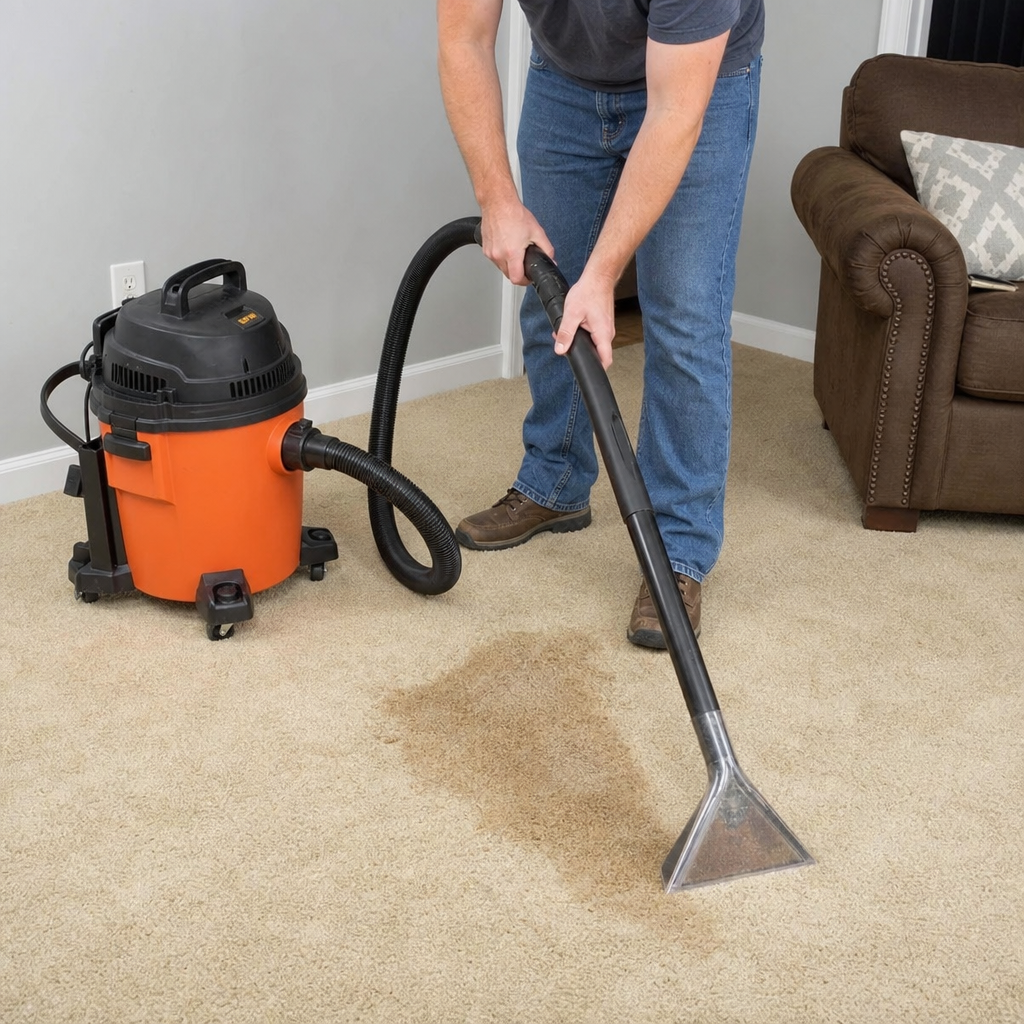
If you don’t own a dedicated carpet extractor, you can easily repurpose your garage tools. Using a shop vac for cleaning carpet is highly effective for spot treatments. Simply apply your cleaning solution to the stain, agitate it gently with a soft-bristle brush, and use the wet/dry function of your shop vac to pull the liquid and dirt out of the fibers.
For whole-room restorations, renting a commercial-grade machine is highly recommended. Whether you are searching for a carpet cleaning equipment rental Alston and Brighton or checking out the big-box hardware stores in your local neighborhood, renting allows you to achieve professional-level extraction at a fraction of the cost.

Tackling Tough Stains and Odors
Spills and accidents are inevitable, but they don’t have to become permanent fixtures on your floors. Rapid response and the correct chemistry are your best defenses against permanent blemishes.
Carpet Cleaning and Pets
We love our furry friends, but carpet cleaning and pets often go hand-in-hand. Pet accidents require swift action, particularly because urine can chemically burn and bleach natural dyes.
- How to remove pet stains from wool: Start by blotting (never rubbing) the area with white paper towels to absorb as much liquid as possible. Apply a specialized enzymatic cleaner specifically formulated for natural fibers. Enzymes actively digest the odor-causing proteins. Rinse lightly with cool water and blot dry.
- Eliminating deep-seated odors from area rugs: If a rug still smells after the stain is gone, lightly dust the completely dry surface with baking soda. Let it sit overnight to absorb the lingering odors, then thoroughly vacuum it the next morning.
Emergency Wine Spill Removal Steps
A spilled glass of red wine can cause instant panic, but knowing the right emergency wine spill removal steps can save your rug.
- Blot immediately: Use a clean, dry white cloth to absorb the wine.
- Apply cold water: Dilute the spill with a small amount of cold water and continue blotting.
- Salt the earth: Pour a generous mound of table salt over the damp stain. The salt will draw the remaining wine out of the fibers as it dries.
- Vacuum: Once the salt is completely dry and slightly pink, vacuum it up. Treat any remaining discoloration with a mild stain removal spray.
Specialty Rug Care: Oriental, Persian, and Wool
Antique, hand-knotted, and specialty rugs are works of art that demand specialized care routines to maintain their value and structural integrity.
Oriental and Persian Rug Maintenance
Basic Oriental rug maintenance tips revolve around gentle handling. Vacuum these pieces regularly, but always turn off the rotating beater bar, which can aggressively chew up the delicate hand-spun wool.
When older rugs show signs of severe wear or structural damage, specialized Persian rug restoration techniques are required. This can include reweaving holes, re-knotting missing pile, or repainting faded dyes. Additionally, treating fringe discoloration and fraying should be done with immense care. Avoid harsh bleaches on the cotton fringe; instead, use a specialized fringe cleaner and a wide-toothed comb to gently untangle and brighten the ends.
Preventing Moth Damage
One of the greatest threats to wool and silk rugs is insect infestation. Preventing moth damage in natural fibers involves keeping the rug clean (moths are attracted to food and pet stains) and exposing the rug to indirect sunlight occasionally. Storing off-season rugs with cedar blocks or lavender sachets also acts as a natural deterrent.

Preserving Your Investment: Maintenance and Protection
The secret to a consistently beautiful home lies in proactive protection. Extending lifespan of high-traffic floor coverings requires a combination of daily habits and structural support.
The Power of Rug Pads
Never underestimate the benefits of using rug pads. A high-quality pad provides a crucial buffer between the hard floor and the rug’s foundation. It prevents the rug from slipping (preventing safety hazards), stops the fibers from being crushed under heavy furniture, and promotes air circulation, which prevents mold growth.
Establishing a Deep Cleaning Schedule
How often should you wash your rugs? The ideal frequency of deep sanitizing area rugs depends on your household. For a standard home with no pets or young children, a deep clean every 12 to 18 months is sufficient. However, homes with pets, allergy sufferers, or heavy foot traffic should increase this frequency to every 6 to 9 months.
Knowing When to Call the Professionals
While DIY methods are fantastic for maintenance, there is no substitute for professional cleaning. Professional technicians have the training to identify specific fiber types and apply the exact pH-balanced chemicals required to safely lift years of embedded dirt.
Understanding Pricing and Services
If you are considering hiring experts, you’ll want to factor in the carpet cleaning cost. Prices fluctuate based on square footage, the cleaning method used, and your geographic location. Professional wash services pricing for delicate Oriental rugs is typically calculated by the square foot, as these rugs require an intensive off-site pit-washing process to be cleaned safely.
It is always smart to read local reviews and compare quotes. Whether you are dealing with the high humidity that drives the need for routine carpet cleaning San Antonio services, or you’re looking to eliminate the fine desert dust managed by American carpet cleaning Las Vegas, local professionals understand the specific environmental factors affecting your floors.
Pro-Tip: When booking a service, ask if they also offer upholstery cleaning. Bundling floor and furniture cleaning together can often secure you a discount while completely refreshing your home’s interior.

Conclusion
Mastering rug cleaning and general floor maintenance doesn’t have to be an overwhelming chore. By understanding the specific needs of your floor coverings—whether that means choosing hot water extraction over shampooing, mixing up a safe DIY solution, or knowing exactly how to treat a sudden pet accident—you can dramatically extend the life and beauty of your carpets.
Remember that consistent upkeep, swift stain removal, and the protective power of rug pads are your best daily defenses. And when your floors finally need a heavy-duty reset, don’t hesitate to invest in professional care to bring your beloved textiles back to life. With these essential tips in hand, you are well on your way to enjoying cleaner, fresher, and more vibrant floors for years to come.