


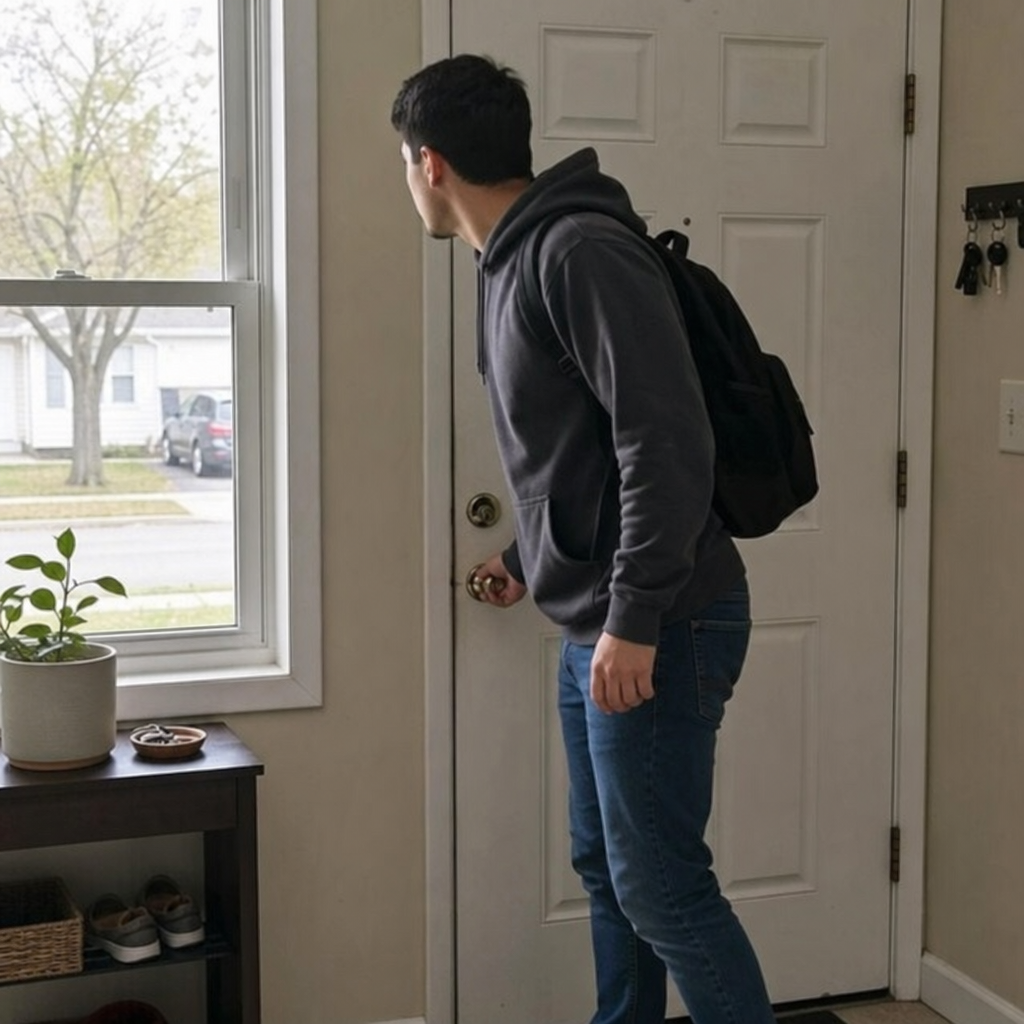
Essential Tips for Personal Safety
Theft is opportunistic. Most incidents happen when routines get predictable, valuables are left exposed, or basic safeguards are missing. The good news: a handful of smart security measures can dramatically reduce risk—at home, on the road, at work, and online. This guide focuses on practical theft protection and personal safety steps you can apply today.

Build a “layered” theft protection plan (the simplest theft deterrent)
Effective anti-theft solutions rely on layers—so if one fails, another still stands. Think in four tiers:
- Deter: visible cameras, lighting, signage, strong locks
- Delay: reinforced doors, anti-pick cylinders, lockable storage
- Detect: alerts, sensors, trackers, credit monitoring
- Document: serial numbers, photos, receipts, insurance coverage
This layered approach improves property protection and can also support claims if you need theft insurance.
Everyday personal safety and secure-your-belongings habits
Small habits are your best theft prevention tips because they reduce easy targets:
- Keep phones/wallets in front pockets or zipped inner compartments
- Don’t set valuables on café tables or car roofs “for a second”
- Use a crossbody bag with locking zippers in crowded places
- Avoid displaying expensive items while walking alone at night
- In transit, loop a bag strap around your leg or chair (subtle, effective)
When you secure your belongings, you prevent “snatch-and-run” thefts that are hard to recover.

Home security: burglary protection that doesn’t feel complicated
Strong home security is mostly about doors, visibility, and fast alerts.
Door, lock, and entry upgrades (including anti-pick lock technology explained)
Start with the front door. Consider:
- Solid core door + reinforced strike plate + 3-inch screws
- Deadbolt with anti-pick lock technology explained simply: security pins/sidebars and tighter keyways make picking and bumping harder, buying you time (the “delay” layer)
- Window locks and dowels for sliding doors
- Timers for lights when you’re away
Doorbell camera features and benefits
Modern doorbells help with burglary protection and package issues. Key doorbell camera features and benefits:
- Motion zones to reduce false alerts
- Night vision + clear 1080p/2K video for identification
- Two-way audio (useful even when you’re not home)
- Cloud/local storage and easy clip export for police/insurance
Smart home security system setup guide (quick start)
A practical smart home security system setup guide:
- Place entry sensors on main doors + ground-level windows
- Add a siren where it’s audible from outside
- Install a camera covering the main approach (not pointing at neighbors)
- Turn on phone alerts and set a “night” routine
- Test monthly and update device firmware

Home burglary prevention tips for apartments (renter security checklist for apartments)
Renters can still build strong property protection without permanent changes. Use this renter security checklist for apartments:
- Add a door reinforcement/portable lock where allowed
- Use window alarms and peel-and-stick contact sensors
- Ask management to rekey locks after move-in
- Don’t buzz in unknown visitors; verify deliveries
- Use a lockbox or package room when possible
These are excellent home burglary prevention tips that scale from studios to multi-unit buildings.
How to prevent package theft (porch piracy)
If you’re wondering how to prevent package theft, combine delivery strategy with visible deterrence:
- Ship to lockers, pickup points, or workplace when allowed
- Use delivery instructions: “behind side gate” or “call on arrival”
- Add a doorbell cam and motion-activated lighting
- Use a locked delivery box for high-traffic porches
- Schedule deliveries for days you’re home

Vehicle safety: theft protection on the road
Car theft is often about speed and low risk. Practical car anti-theft device options include:
- Steering wheel lock (visible deterrent)
- OBD port lock to reduce key-programming attacks
- Faraday pouch for key fobs (helps against relay attacks)
- Aftermarket immobilizer or kill switch (strong delay layer)
- GPS tracking + instant alerts
Also: never leave bags visible, even in the trunk (thieves watch you load it).
Track what matters: best GPS tracker for valuables and safer alternatives for kids
A best GPS tracker for valuables is one that has:
- Reliable network coverage where you live/travel
- Long battery life or replaceable batteries
- “Separation alerts” when you leave an item behind
- Precise location sharing and easy recovery mode
For families, consider child safety tracking alternatives that prioritize consent and safety:
- Wearable GPS for older kids during travel
- Smartwatches with limited contacts
- Check-in routines and meeting points (low-tech, highly reliable)

Identity theft protection: stamps, monitoring, and service comparisons
Offline theft can turn into fraud fast. Reduce exposure with document control and account vigilance.
ID theft protection roller stamp 3-piece set (and when it helps)
An id theft protection roller stamp 3-piece set can be useful for masking addresses/account numbers on junk mail and shipping labels before disposal. It’s not a substitute for shredding sensitive documents, but it’s a quick win for daily clutter.
Credit monitoring vs fraud alerts
- Credit monitoring vs fraud alerts: monitoring tells you changes; fraud alerts warn lenders to verify identity before issuing credit.
- For many people, combining alerts with regular account checks is a strong baseline.
Identity theft protection services comparison (including big names people search)
When you evaluate providers, focus on: coverage (SSN, bank, credit), recovery support, insurance, and cost. Many shoppers compare:
- zander id theft protection / zander identity theft protection
- allstate identity theft protection
- mastercard identity theft protection / mastercard id theft protection (often included with certain cards—check your benefits)
For the common question, is identity theft protection worth it? It can be, if you have higher exposure (data breaches, frequent travel, prior fraud) or you want guided recovery help. If you’re low-risk and diligent, fraud alerts plus strong passwords may cover most needs—at lower cost.
Business loss prevention strategies (small business-friendly)
Even micro-businesses benefit from clear business loss prevention strategies:
- Limit employee access by role (least-privilege)
- Use cameras at entrances, registers, and stockrooms
- Train staff on de-escalation and suspicious behavior
- Maintain tight inventory counts and audit high-shrink items
- Secure dumpsters and lock up high-value goods after hours
Bicycle lock strength ratings and real-world locking technique
Look for published bicycle lock strength ratings (Sold Secure, ART, etc.) and match them to your risk level. Then lock correctly:
- Use a U-lock through frame + rear wheel to an immovable object
- Add a secondary cable/lock for the front wheel
- Keep the lock off the ground to reduce leverage attacks
What to do after a theft (fast, organized steps)
If theft happens, act quickly—speed improves recovery odds and reduces fraud risk.
What to do after a theft:
- Get to safety first; don’t confront suspects
- File a police report and request the report number
- Notify banks/card issuers; freeze or replace cards
- Change passwords and enable MFA on key accounts
- Document stolen items (photos, receipts, serial numbers) for claims
- Contact your insurer about theft insurance coverage and next steps
Neighborhood watch program effectiveness (what actually works)
Neighborhood watch program effectiveness improves when it’s organized and consistent:
- Regular communication channels (group text/app)
- Clear reporting guidelines (when to call police vs share info)
- Shared camera coverage patterns (without vigilantism)
- A culture of “see something, say something” without profiling
Takeaway: make theft hard, loud, and traceable
The best theft protection is a layered system: visible theft deterrent cues, real delays (good locks and reinforcements), quick detection (alerts/trackers), and documentation for recovery. Start with the most likely risk in your life—packages, apartments, cars, bikes, or identity—and add one layer this week.
Estimated word count (article body): ~990 words.
